
So what do you do when some idiot with a camera walks up to your organization and makes accusations or a Twitter troll digs up some semi-controversial thing your ED said when they were in undergrad? The comments section is on fire. Someone in the room says "let's get ahead of this before it gets worse." Many would hear that and start drafting a statement that says as little as possible, hoping the story dies by Friday.
But what if you did the opposite? What if you opened the door wider?
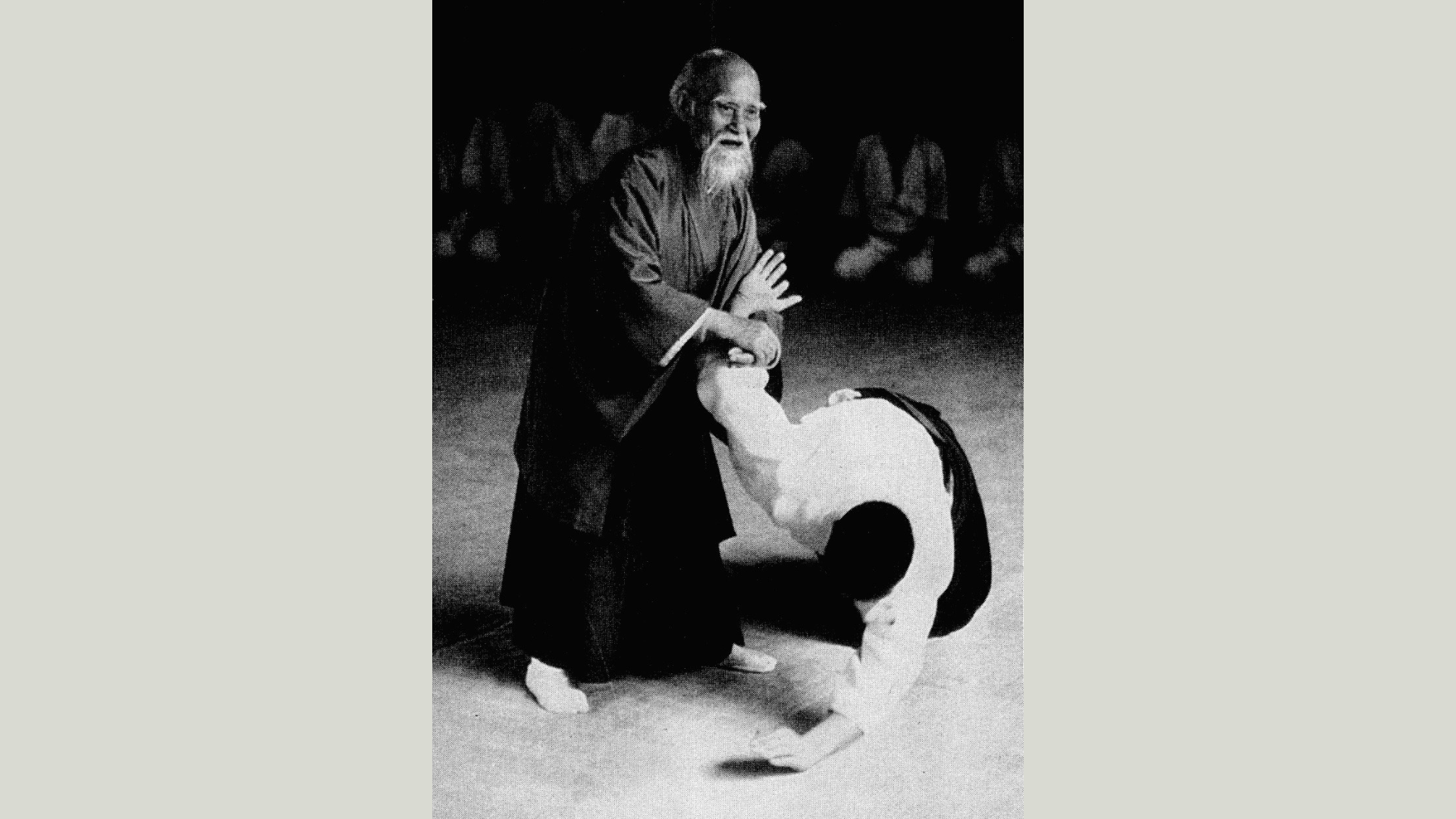
Aikido is a martial art built on a strange premise: you don't block an attacker's force, you redirect it. The energy your opponent brings is the energy you use to put them on the ground. That's the entire philosophy behind how we handle many instances of hostile attention at rep. The attack isn't the threat. The attack is the opening.
The Instinct Most Organizations Default To
Almost every organization we've worked with arrives with the same reflex: go quiet, minimize comment, hope the algorithm moves on. It's an understandable instinct. Nobody wants to pour gasoline on a fire. But silence has a cost most people don't price in. When you go quiet, you hand the entire narrative to whoever attacked you. The hate post, the bad-faith claim, the misinformation then becomes the only version of the story anyone reads, because it's the only version anyone published.
We saw this play out with a client of ours, a community organization that found itself the target of an online hate campaign. A fringe group falsely claimed the organization's services were being funded exclusively for one community at the expense of everyone else. Within days, the comments had turned ugly, and police were involved. The conventional move here is what we've seen time and time again from organizations who find themselves in situations like this: call the lawyers, say nothing, wait it out.
We did the opposite. We put their spokesperson directly in front of a national broadcaster and got them to say what the idiot with the camera deliberately left out: that the organization served everyone, regardless of background, and always had but most importantly that this service was desperately needed in that particular locality. What started as a hate-driven social media post became multiple news cycles, not about an organisation defending itself–but about a desperate need that many communities face being provided by the organisation. Work that should be celebrated and supported, not attacked.
This Isn't Unique to Crisis Comms
The same principle shows up everywhere brands get attention right, not just in hate-incident response. Look at Liquid Death. A company selling canned water gets mocked constantly online, for the branding, the name, the absurdity of putting a skull on water. Most beverage companies would hire a community manager to quietly delete the worst comments. Liquid Death took their hate comments and turned them into a three-album record called Liquid Death's Greatest Hates. They made the attack the content.
Neither of these examples is about being combative for its own sake. Aikido isn't "fight back harder." It's recognizing that an attack, however hostile, is also a moment of attention you didn't have to pay for, and attention is the one thing PR can't manufacture from nothing. Someone else just handed it to you. The only decision left is whether you use it or waste it.
What This Actually Requires
None of this works if you're improvising in the moment. Our spokesperson in that interview could speak with total conviction because what he said was already true and already documented. Years of service. A track record that existed before the crisis did. Aikido works because the redirect uses the attacker's own momentum, but you still need ground to stand on when you redirect it. Organizations that get caught flat-footed in a crisis are almost always organizations that never did the work of knowing, clearly and specifically, who they are and what they've built.
That's the unglamorous part of this strategy. It's not the clever pivot in the moment. It's the institutional memory, the fact sheet, the spokesperson who's been media-trained before they ever needed to be, sitting ready months before anyone lights a match.
The Takeaway for Anyone Building a Brand or an Organization
Stop treating hostile attention as something to survive and start treating it as something to use. The next time someone comes at your organization in bad faith, ask a different question than "how do we make this go away." Ask "what does this attack hand us that we didn't have an hour ago." Usually the answer is a microphone. Someone is paying attention to you right now who wasn't yesterday. The only mistake is wasting that on a generic statement nobody will remember.
Most organizations are sitting on facts, history, and proof points nobody outside the building has ever heard. A crisis is sometimes the only moment a journalist will actually pick up the phone. Don't spend that moment defending. Spend it telling them who you actually are.

